Turn Your Existing PBX Into an AI Receptionist — No New Hardware, Direct Transfers, Automatic Busy-Line Handoff
Want AI to answer your phones but don't want to rip out the PBX you've run for years? You don't have to. Over standard SIP, an AI receptionist connects straight to your existing PBX — understanding who the caller wants, transferring to the right extension, and even taking over when the line is busy or no one picks up.
Every call into your company carries hidden cost. The front desk has to figure out who the caller wants, mentally map it to an extension, and transfer the call. If that extension is busy or nobody answers, they circle back to explain, take a message, and call back later. At peak hours, missed calls and long holds pile up fast.
For small and mid-sized businesses it's an awkward dilemma: most already run a PBX with a full set of extensions that has worked for years and that staff are used to. Does adding "AI that answers the phone" really mean ripping the whole system out?
It doesn't.
No new hardware — AI plugs straight into your existing PBX
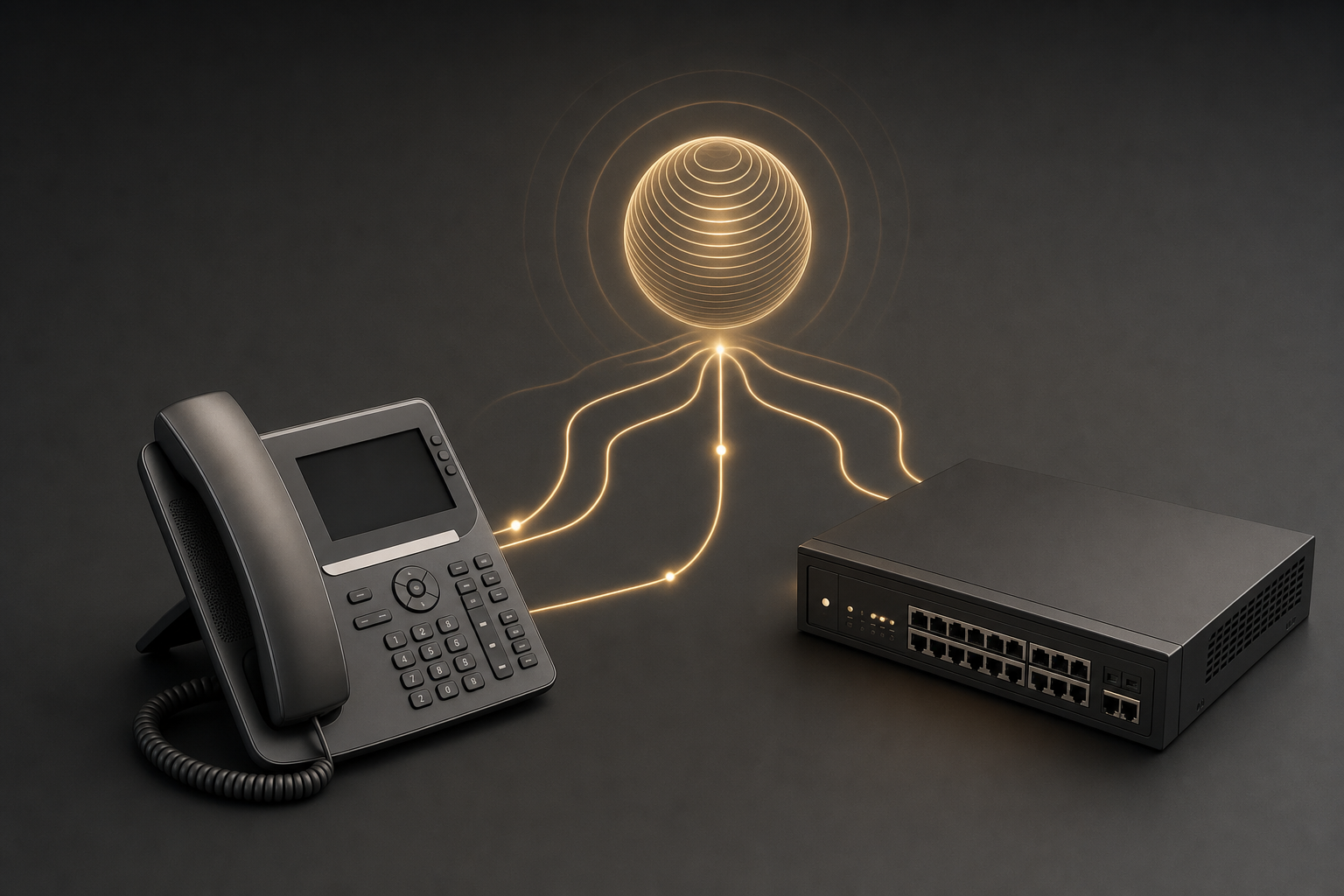
A modern AI receptionist connects to your existing PBX over the standard SIP protocol. Your PBX, extension numbers, and call routing all stay exactly as they are — you simply add, at the answering layer, an AI receptionist that works 24/7 and never lets a call drop.
When a call comes in, the AI answers first, greets the caller in a natural, human-like voice, and asks what they need. Once it understands the person or department they want, it transfers them through your PBX to the right extension. No hardware swap, no number porting — deployment risk and cost stay minimal.
Three things an AI receptionist takes off your front desk
1. Understands the request and transfers directly
Callers no longer wade through "press 1 for sales, press 2 for support." The AI understands natural speech — "I'm trying to reach Mr. Wang who handles quotes," "I want to check on an order" — matches it against your company directory, and transfers straight to the right extension. When a request is vague, it guides the caller to clarify instead of dumping them back to the start.
2. Detects busy / no-answer and takes over automatically
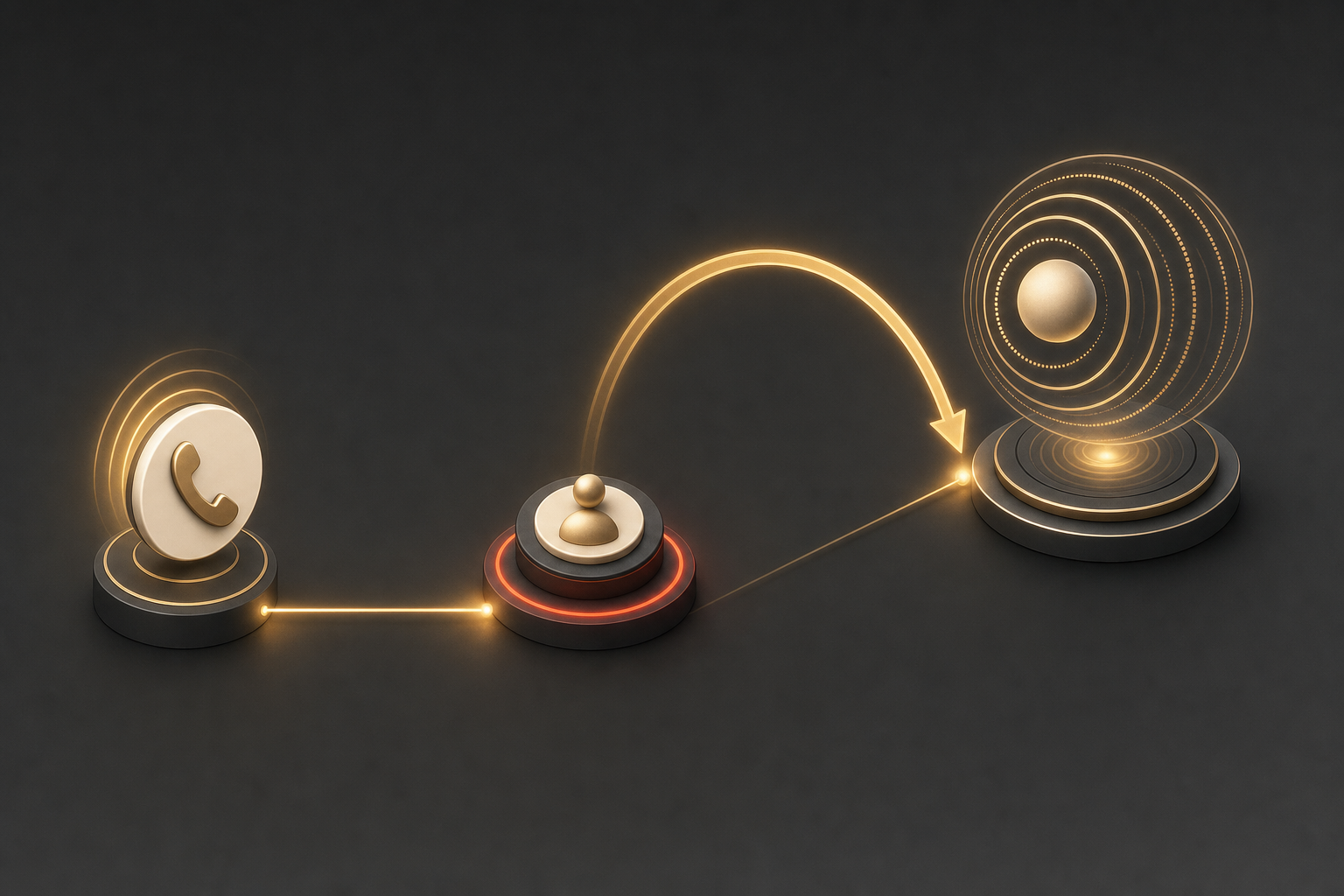
This is the most underrated part. When the target extension is busy or rings with no answer, the old way leaves the caller hanging or asks them to try again later. The AI receptionist detects this in real time and steps back into the conversation: it takes a message, records the request, offers an alternative contact, or reroutes to another available colleague. The caller is never abandoned, and the opportunity doesn't vanish in a busy tone.
3. Cuts down manual lookup and transferring
What drains the front desk isn't talking on the phone — it's the busywork of looking up extensions, checking who's at their desk, and transferring over and over. Hand that layer to AI and your reception and admin staff get their time back for work that genuinely needs human judgment. Every call is answered and routed; people go from switchboard operators back to their real jobs.

It's not about replacing the front desk with AI — it's about freeing the front desk from the loop of lookups, transfers, and callbacks.
Deployment is genuinely light
Because it rides on your existing PBX, rollout usually just means: confirm the PBX supports SIP extension registration, configure which extensions the AI serves and the transfer rules, import your company directory — and the AI can start answering. No downtime swap, no re-cabling. Start with a single line, prove it out, then scale — it's flexible.
Every call's recording, transcript, and summary are kept automatically, so you can review service quality and refine routing rules over time, making the AI receptionist fit your company better the more you use it.
The bottom line: SMBs deserve a switchboard that never misses
Round-the-clock answering, automatic busy-line handoff, calls routed straight to the right person — capabilities that used to belong only to enterprise contact centers are now within easy reach for small businesses, simply by connecting to the PBX you already have.
If your company struggles with "too many calls, endless transfers, opportunities lost to a busy tone," it may be time to let AI be your first line at the front desk.